
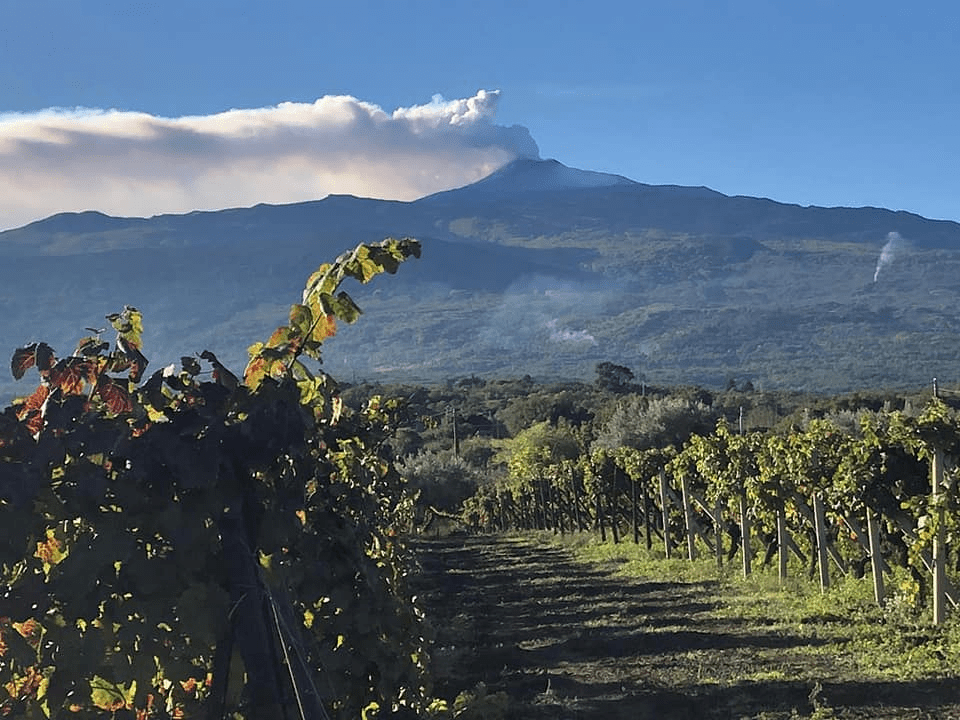
The Land of Etna
On the highest active volcano in Europe, where every eruption renews the earth and shapes a terroir like no other.
A unique ecosystem
Etna, the highest active volcano in Europe, rises to 3,340 metres and forms a unique ecosystem for viticulture.
Its slopes are made of volcanic soils that range from pebbly to sandy and ashy in texture. Renewed by every eruption, these soils are rich in the minerals essential for healthy vine growth. The biodiversity of the area helps to create wines with distinctive sensory profiles.
3,340 m · active volcano
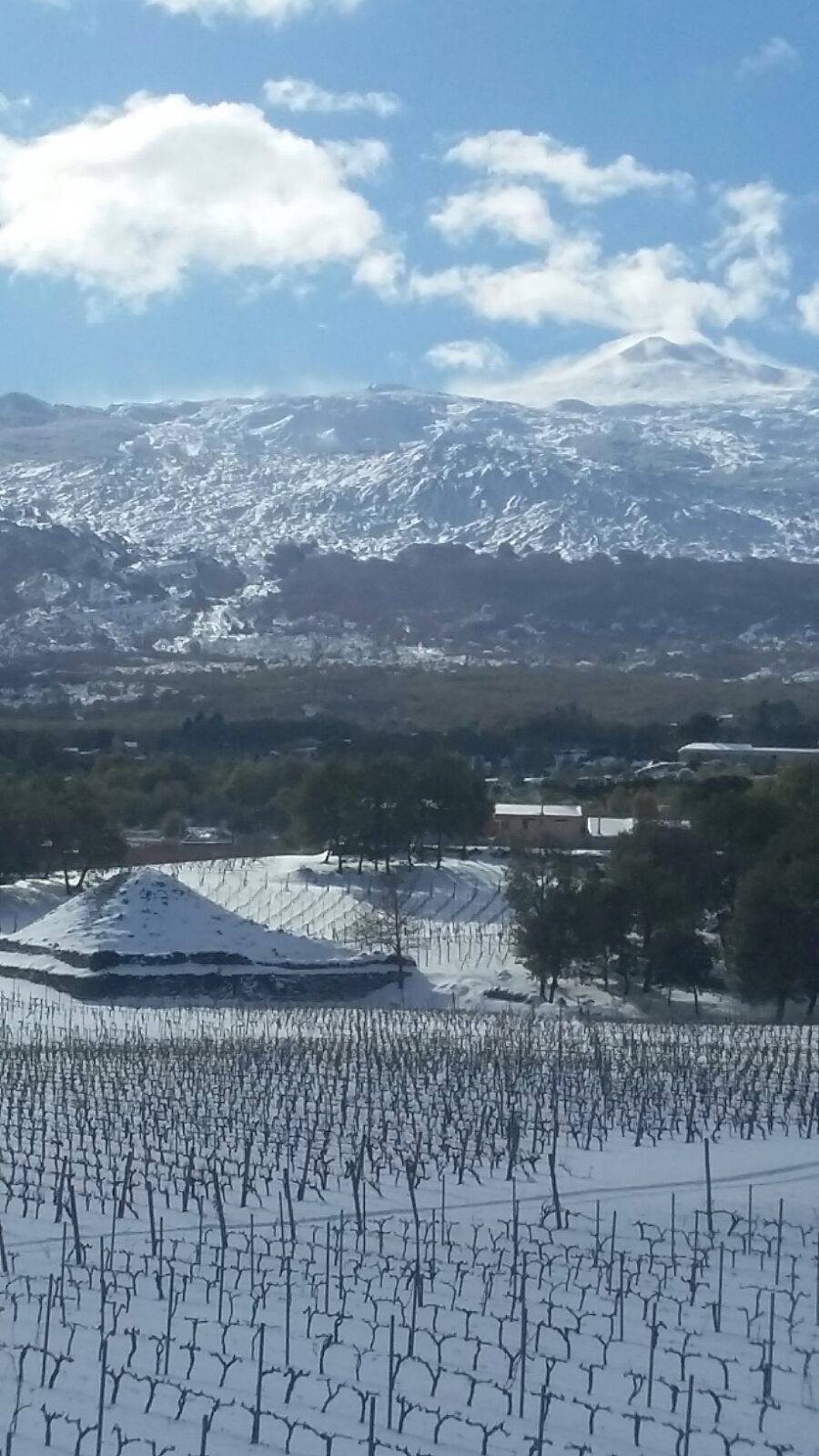 Up to 25 °C of swing
The altitude that makes the difference
Etna's climate is strongly shaped by altitude. Unlike the typical Mediterranean Sicily, the mountain zone has cooler temperatures, with significant swings of up to 25 degrees between day and night.
Rainfall, too, is far more frequent than in the rest of the island. These conditions favour a balanced ripening of the tannins in the red wines and allow the aromas of the whites to develop in harmonious fashion.
Volcanic minerality
The terroir of Etna is born of unique geological, climatic and viticultural factors.
The combination of fertile soils and the microclimate created by altitude allows the cultivation of the native grape varieties — Nerello Mascalese, Nerello Cappuccio and Carricante — which express the minerality of the volcanic soil and their bond with the Etna territory, yielding wines of great personality, marked freshness and elegance.
Nerello Mascalese
The "king" of Etna wines: elegance, structure, minerality.
Nerello Cappuccio
Colour and softness, the perfect complement to Mascalese.
Carricante
Volcanic minerality and remarkable longevity.
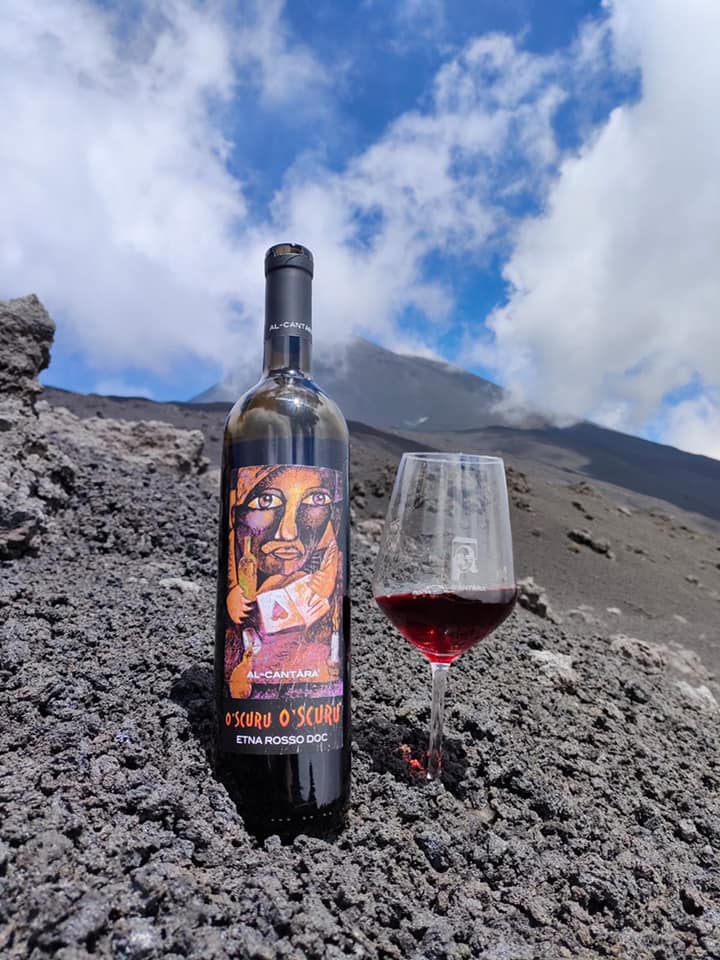 Native Etna grapes
A thousand-year tradition
From the first Greek plantings to the modern revival, the wine of Etna is a journey nearly three thousand years long.